This is Part 2 of our Sustainability in Action series. In Part 1, we introduced BBT’s Net Zero Emerging Leaders Internship and the research that inspired this series. Read Part 1 here before diving into embodied carbon.
What Is Embodied Carbon—And Why Should Building Owners Care?
When people think about sustainable buildings, they often think about energy efficiency. For decades, reducing energy consumption has been a primary focus of sustainable design, and for good reason. Efficient buildings lower operating costs, reduce greenhouse gas emissions, and create more comfortable environments for occupants.
But there is another important part of a building’s environmental impact that occurs long before the lights are turned on or the HVAC system starts running. It’s called embodied carbon.
As building owners, designers, and policymakers work toward ambitious sustainability goals, embodied carbon is becoming an increasingly important part of the conversation—and one that can influence project decisions from the earliest stages of design.
Looking Beyond Building Operations
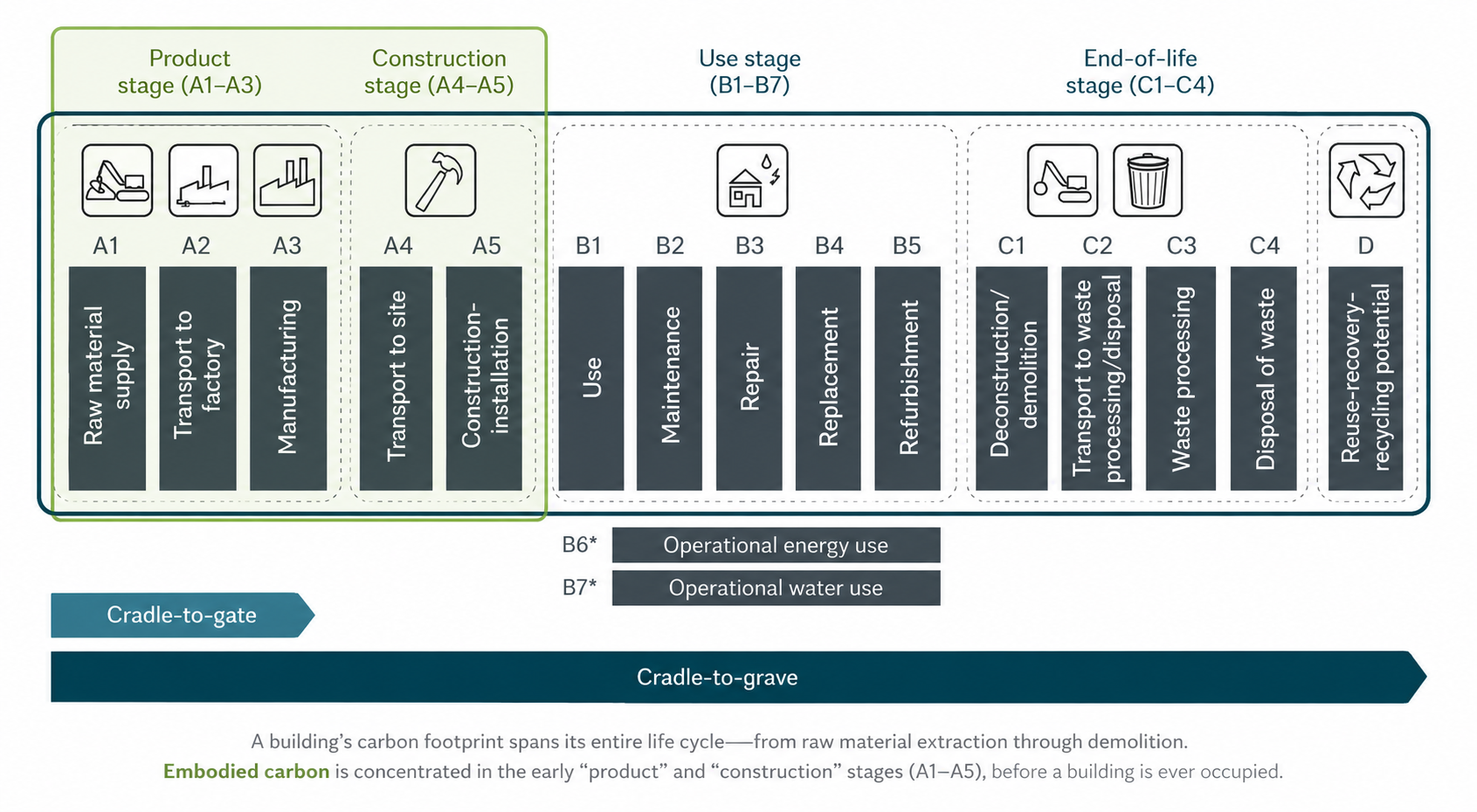
Most discussions about building sustainability focus on operational carbon: the emissions associated with heating, cooling, lighting, and operating a building over time.
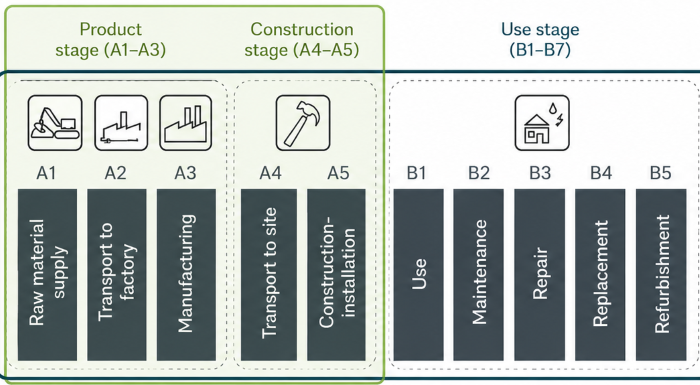
Embodied carbon refers to a different category of emissions. It includes the greenhouse gases generated during the extraction, manufacturing, transportation, installation, maintenance, and eventual disposal of building materials. Every building material—from concrete and steel to insulation, drywall, and flooring—carries an environmental footprint.
Unlike operational energy use, which can often be reduced through future upgrades or operational changes, embodied carbon is largely determined before a building is occupied. Once materials are manufactured and installed, those emissions have already occurred. That makes early design decisions especially important.
Why Early Decisions Matter
Architects and project teams make hundreds of decisions during planning and design. Many of those decisions influence a building’s environmental impact long before construction begins.
Questions such as:
- What structural system should be used?
- Which materials are most appropriate for the project?
- Can existing materials be reused?
- Are there lower-impact alternatives available?
- How do durability, maintenance requirements, and environmental impacts compare?
Historically, answering these questions often required balancing performance, cost, schedule, and sustainability objectives with limited information. Today, new tools are making those decisions more transparent.
Measuring What Was Once Difficult to Measure
One of the most significant developments in sustainable design over the past decade has been the growth of tools and databases that help project teams understand the environmental impacts of building materials. Many of these resources are open-source and freely available to architects, engineers, contractors, manufacturers, and owners.
 Examples include:
- Environmental Product Declarations (EPDs), which provide standardized environmental impact data for products.
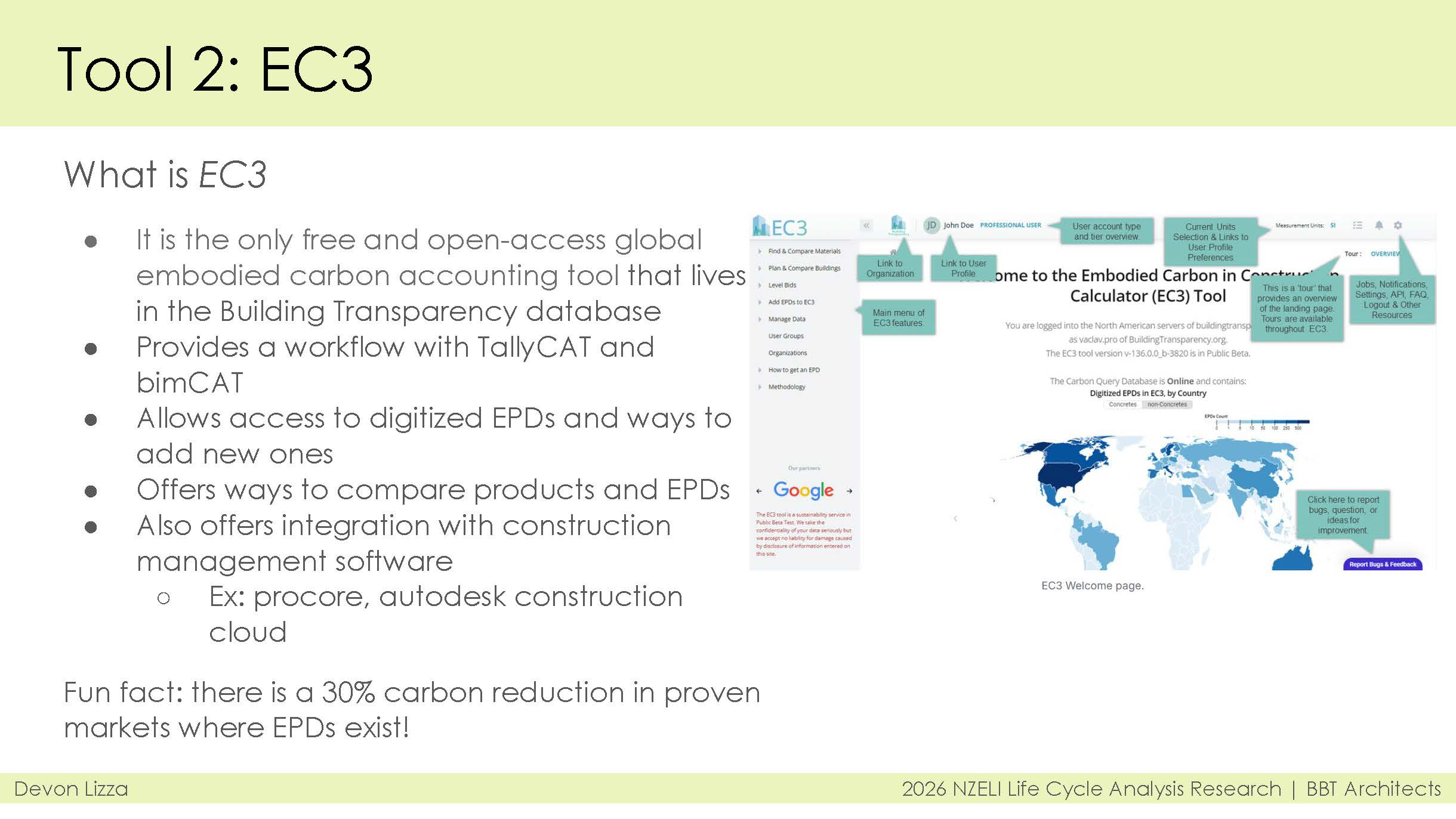
- EC3 (Embodied Carbon in Construction Calculator), which allows users to compare material options and evaluate carbon impacts.
- BIM-integrated analysis tools that connect building models directly to carbon data.
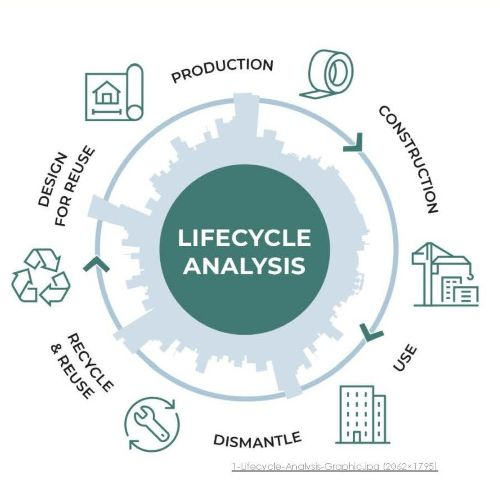
- Life Cycle Assessment (LCA) platforms that evaluate environmental impacts across a building’s lifecycle.
Together, these resources allow project teams to move beyond assumptions and make decisions based on measurable information. For owners, that means sustainability conversations can become more informed, more transparent, and more actionable.
Sustainability and Building Performance
One common misconception is that sustainability goals exist separately from project goals. In reality, many sustainability decisions overlap with considerations owners are already evaluating every day. Questions about durability, resilience, maintenance, operational costs, occupant wellness, and long-term value often intersect with sustainability objectives.
For example, selecting one material over another may influence:
- Embodied carbon
- Lifecycle costs
- Maintenance requirements
- Building longevity
- Operational efficiency
- Occupant experience
The goal isn’t to optimize a project for a single metric. It’s to understand the tradeoffs and opportunities associated with different options. The more information project teams have available, the better equipped they are to make decisions that support the broader goals of the project.
 From Data to Better Decisions
At BBT, we view sustainability as an ongoing process of learning, measurement, and continuous improvement. Through our Sustainability Action Plan and AIA 2030 Commitment, we are actively exploring tools and methodologies that help us better understand how design decisions affect building performance and environmental impact.
One area of recent focus has been embodied carbon analysis and life cycle assessment tools that allow project teams to compare different material and construction approaches during design. What we’re learning reinforces an important principle: sustainability works best when it is integrated into decision-making rather than treated as a separate objective.
The goal is not to chase a specific metric or certification. The goal is to help clients make informed decisions that align environmental responsibility with performance, resilience, budget, and long-term value.
Looking Ahead
As the building industry continues to evolve, embodied carbon will likely become an increasingly important consideration for owners, designers, contractors, and policymakers alike. Fortunately, the tools available to understand and evaluate these impacts are becoming more accessible every year.
In the next article in this series, we’ll explore how BBT applied several of these tools to a real project: the Klamath Community College Cosmetology Building. By comparing different structural and material scenarios, we gained valuable insights into how design decisions can influence a building’s embodied carbon—and what those lessons may mean for future projects.